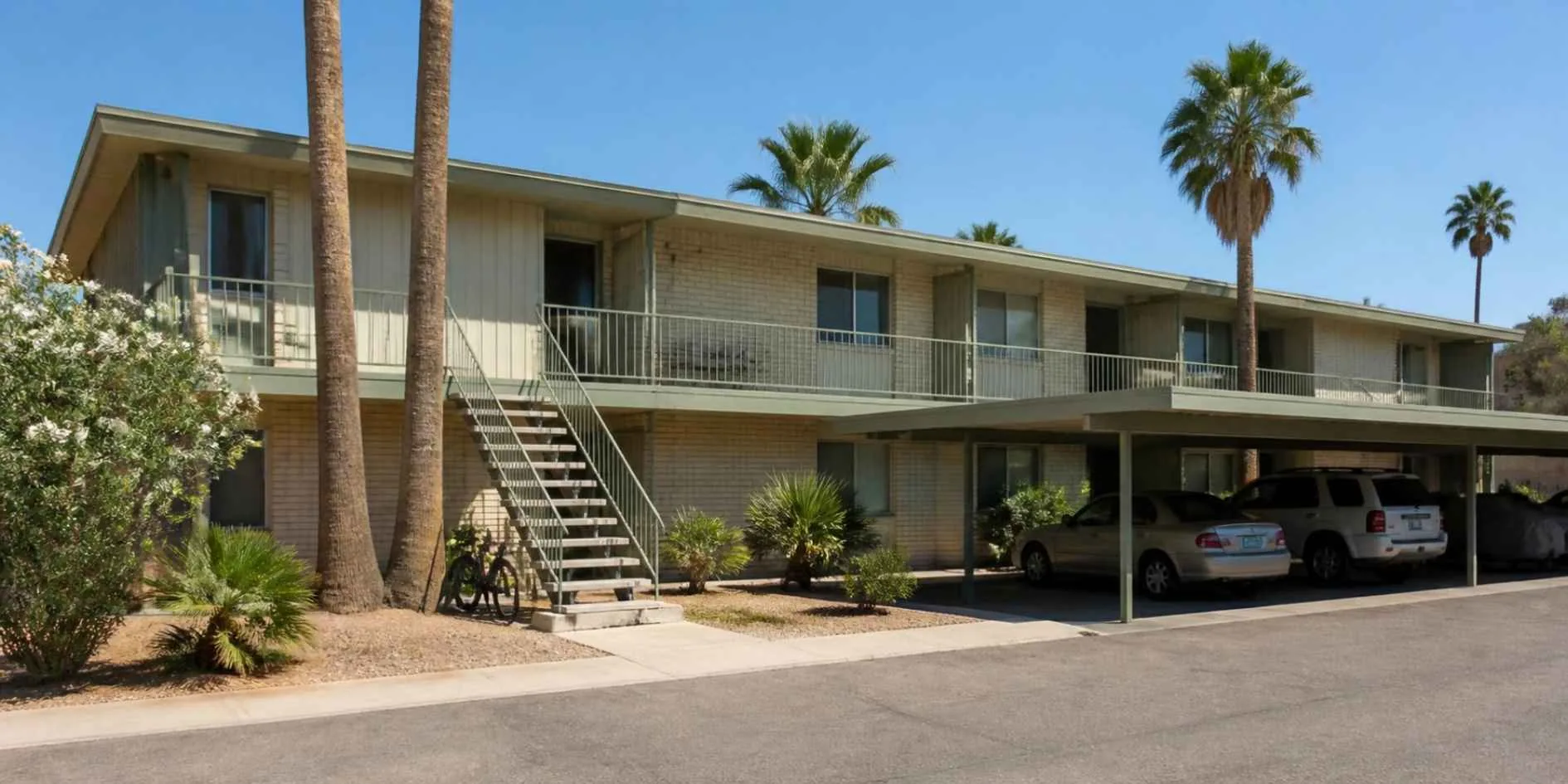
North Tempe, the blocks around Arizona State University and the Mill Avenue corridor, has a genuinely different plumbing pattern than the rest of the city because of how fast tenants turn over. That turnover changes both what breaks and how fast it gets reported.
Why Rental Turnover Changes What Breaks
A garbage disposal or a running toilet in a single-family home usually gets reported the same day. In a rental with a new tenant every year or two, the same issue can go unreported for months if a tenant assumes it's normal or doesn't know who to call. That delay turns a five-minute fix into a bigger water-bill or water-damage problem by the time it's addressed.
Multi-tenant kitchens also see heavier and more varied garbage disposal use than a typical single-family home, which is part of why disposal jams and premature wear show up more often in this part of our service area than elsewhere in Tempe.
What Tenants Should Actually Report Right Away
A running toilet, even a quiet one, wastes real water and is worth reporting immediately rather than living with it. A slow drain that's gotten slower over weeks is worth mentioning before it becomes a full backup. Any water stain on a ceiling or wall, however small, should be reported the same day, since that's often the first visible sign of a leak that's already been running for a while. As a general guideline, the sooner any of these signs gets reported, the smaller the eventual repair.
What Landlords Should Know About Turnover Inspections
A plumbing check between tenants catches small issues before a new tenant moves in and reports them as if they were sudden new problems. Checking toilet flappers, faucet cartridges, and disposal function during a routine turnover is far cheaper than an emergency call mid-lease. For a property with a documented history of recurring issues, a sewer camera inspection between tenants can also catch a developing problem before it becomes a mid-lease emergency.
Landlords managing several units in the area, including nearby Guadalupe, sometimes find a standing maintenance relationship more practical than calling around for each individual issue, similar to how we work with commercial property managers on multi-unit coordination.
The Real Cost of Delayed Reporting
A running toilet reported the same day is a five-minute fix. The same running toilet discovered three months later at move-out has quietly added meaningful cost to the water bill the whole time, cost that's genuinely hard to recoup after the fact. A slow leak behind a wall follows the same pattern but with a worse outcome: what starts as a simple repair can become a drywall and subfloor replacement if it runs long enough undetected.
This is part of why a documented reporting process, even something as simple as a text number tenants know to use, pays for itself in a rental-heavy area like North Tempe. The faster small issues get reported, the less often they turn into expensive ones.
Seasonal Timing Worth Planning Around
The heaviest tenant turnover near ASU happens in May and August, tied to the academic calendar, which means those are also the two windows where a landlord has the most natural opportunity to catch developing issues during a vacancy. Scheduling a plumbing check specifically during those turnover windows, rather than waiting for a mid-lease complaint, takes advantage of timing that's already built into the rental cycle here.
What a Reasonable Turnover Checklist Covers
A practical plumbing check between tenants doesn't need to be exhaustive to catch most real problems. Running every faucet and flushing every toilet while listening for running water after the flush cycle ends catches the majority of silent leaks. Checking under every sink for even slight moisture, and testing the garbage disposal with water running, rounds out a check that takes well under an hour but catches the issues that most commonly get missed during a quick walkthrough.
What to Include in a Move-In Walkthrough With Tenants
Walking a new tenant through how to shut off the water at each fixture, and where the main shutoff valve is for the whole unit, genuinely reduces damage from a future emergency. A tenant who knows to shut off a supply line under a leaking sink before calling for help can prevent a small leak from becoming a flooring replacement while waiting for a technician to arrive. This costs nothing beyond a few minutes at move-in and pays for itself the first time it's actually needed.
A Note on Older Properties in the Rental Market
Some of North Tempe's rental housing stock predates the area's biggest growth period, which means original plumbing in a subset of these properties is genuinely older than the typical single-family home elsewhere in the city. Combined with heavier, more varied multi-tenant use, that age gap is part of why a proactive maintenance approach pays off more clearly here than it might in a newer, owner-occupied neighborhood where wear accumulates more slowly.
The Bottom Line for Both Sides
Fast reporting from tenants and fast response from landlords both matter equally here. Neither one alone fixes the underlying pattern that comes with a rental-heavy, high-turnover market, but together they're what actually keeps a small plumbing issue from becoming an expensive one. Building that habit into how a property runs, rather than relying on any one tenant to think of it, is what actually protects a rental long-term, turnover after turnover.
Common Questions
This is a lease and Arizona landlord-tenant law question rather than a plumbing one, but as a general pattern, landlords are typically responsible for maintaining working plumbing systems while tenants are expected to report issues promptly rather than causing damage through neglect.
Rental turnover genuinely changes reporting patterns and, in shared or multi-tenant properties, usage patterns too, which is part of why North Tempe rentals see a real, distinct plumbing pattern compared to owner-occupied homes elsewhere in the city.
It's a reasonable practice given how much cheaper a small turnover fix is compared to an emergency call mid-lease, though the right frequency depends on the property's age and history.
A slow-running toilet or a worn faucet cartridge are easy to miss during a quick walkthrough since neither is dramatic, but both waste real water continuously until someone actually tests each fixture.
This is governed by lease terms and Arizona landlord-tenant law regarding notice for property access, generally requiring reasonable advance notice except in a genuine emergency, so it's worth confirming the specific requirement rather than assuming.
Often, yes. Shared plumbing lines in multi-unit buildings mean one unit's issue can sometimes affect a neighboring unit, which is worth factoring into how quickly a report gets acted on compared to an isolated single-family rental.
Have This Problem In Tempe?
Call now for a real diagnosis and a flat price before any work starts.
☎ Call (480) 741-9332