According to the City of Tempe's own water quality data, hardness here averages 15 grains per gallon, a number that shows up on paper but doesn't mean much until you understand what it's actually doing inside your home's plumbing every single day.
What Grains Per Gallon Actually Measures
A grain per gallon measures dissolved calcium and magnesium in water, the minerals responsible for hardness. The water quality industry generally considers anything above 10.5 GPG very hard, which puts Tempe's 15 GPG average solidly in that upper category rather than a borderline case.
These minerals don't cause health issues at these levels, the water remains safe to drink, but they cause real, cumulative mechanical effects everywhere water flows through your home.
Where the Effects Actually Show Up
Inside a water heater, minerals separate out during heating and settle as sediment, which is why a six-month flush interval matters more in Tempe than the national annual default. Inside pipes, the same minerals deposit as scale on interior walls, gradually narrowing the usable diameter over years, a real contributor to both burst pipes and reduced water pressure over time.
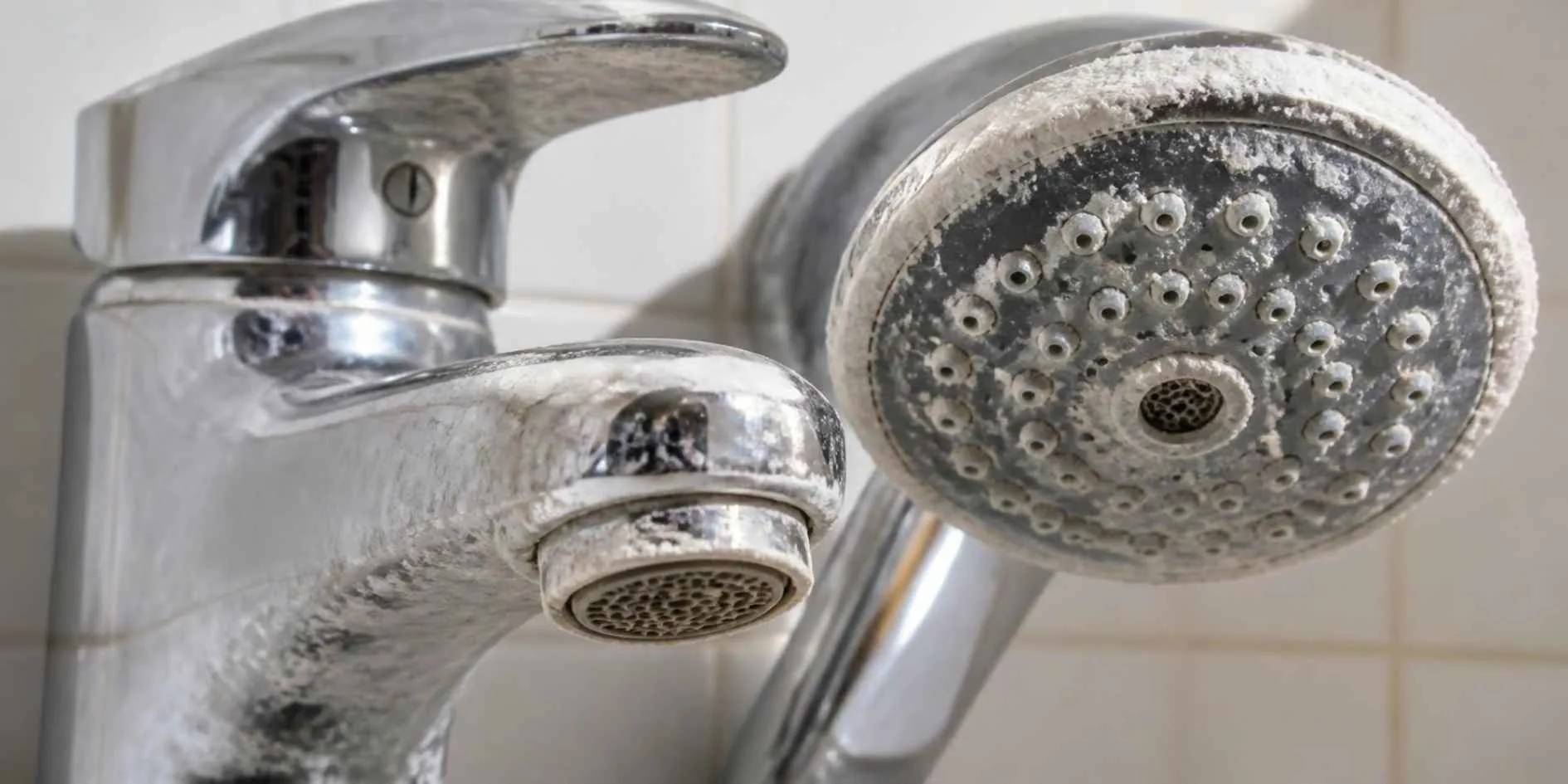
On fixtures, hardness shows up as visible white, chalky buildup on faucets and showerheads, the same mineral deposits working on surfaces you can actually see rather than pipes hidden behind walls.
Why 15 GPG Is Genuinely Harder Than Most of the Country
National water hardness varies enormously, with many parts of the country in the 3 to 7 GPG moderate range. Tempe's 15 GPG average means fixtures, water heaters, and appliances here work against roughly double or more the mineral load that a moderate-hardness city deals with, which is the real reason maintenance schedules built for national averages fall short here.
What Actually Helps
A whole-home water softener addresses hardness at the source, removing minerals before they reach fixtures, water heaters, and appliances at all. Without a softener, the practical response is a more aggressive maintenance schedule, more frequent water heater flushing, more frequent fixture cleaning, and a shorter expected lifespan for anything with internal components exposed to the water.
Households in older housing stock, like Guadalupe's 1970s-90s homes, feel these effects most acutely since original plumbing and fixtures have had decades of exposure to accumulate damage that a newer installation hasn't yet experienced.
A Simple Way to See the Effect Yourself
Look inside the tank of a toilet that's a few years old, or check the aerator screen on a rarely-cleaned faucet. The white, crusty buildup you'll likely find is the same mineral load working everywhere else in the system, just made visible on a surface you can actually inspect without opening a wall or a water heater.
What This Means for Buying New Appliances
Dishwashers, washing machines, and coffee makers all have internal water-carrying components that accumulate the same scale a water heater does. In Tempe specifically, appliances with a manufacturer-stated lifespan based on national average water conditions will often show hardness-related issues earlier than that stated lifespan would suggest, things like reduced efficiency, mineral spotting on dishes, or unusual noise. That's another real argument for either a softener or a more aggressive maintenance routine than the appliance's own manual assumes.
The Long-Term Financial Case for Addressing It
Softer water extends the working life of a water heater, a dishwasher, a washing machine, and every fixture with an internal seal or valve. Weighed against the cumulative cost of earlier appliance replacement, more frequent fixture repair, and the labor of more frequent water heater flushing, a softener's upfront cost is worth comparing honestly against what hard water otherwise costs over a decade of ownership. It's rarely a pure add-on expense once that full comparison is made.
How This Compares to Other Southwest Cities
Tempe's 15 GPG isn't an outlier for the Phoenix metro area broadly, most of the surrounding cities drawing from the same Salt River Project and Central Arizona Project sources deal with similarly hard water. What varies more is housing age and how consistently a given neighborhood's homes have been maintained against it, which is why two houses with identical water hardness can show very different degrees of accumulated damage depending on their maintenance history.
A Practical First Step If You're Not Sure Where You Stand
If you don't know whether your home already has a softener, checking near the water heater or main water line for a tank-and-brine-tank unit is the fastest way to find out. If nothing's there, treating your water heater flush schedule as six months rather than the national annual default is the single easiest first step to take before deciding whether a full softener installation makes sense for your household.
Why This Number Deserves More Attention Than It Gets
Most homeowners never see a number like 15 GPG until they go looking for it, since it doesn't show up on a water bill the way usage does. That's part of why hardness-related damage often gets misattributed to a fixture or appliance simply being old or low quality, when the real driver has been the water itself the entire time.
The Simplest Summary Worth Remembering
Tempe's water is genuinely, measurably harder than most of the country, and that single fact explains a surprising share of the plumbing and appliance issues that show up here more often than national guidance would predict. Whether the response is a softener, a stricter maintenance schedule, or both, starting from an accurate understanding of the number itself is what makes the rest of the decision easier, and cheaper, in the long run.
Common Questions
No, hardness minerals are not a health concern at these levels, and Tempe's water meets all federal, state, and local safety standards. The effects of hardness are mechanical, on pipes and appliances, not related to drinking water safety.
Significantly. A properly sized softener can reduce effective hardness to near zero, which meaningfully extends the life of a water heater and fixtures compared to leaving water untreated at 15 GPG.
It addresses taste for drinking water specifically, but hardness affects your whole plumbing system regardless of what you drink, so filtered drinking water alone doesn't protect pipes, water heaters, or fixtures.
Tempe's water hardness can vary seasonally based on the mix of Salt River Project and Central Arizona Project water feeding the treatment plants, so some fluctuation throughout the year is normal and expected.
Yes, inexpensive test strips are available for a rough home reading, though the city's published average is a reliable baseline for most households on the standard municipal supply.
Have This Problem In Tempe?
Call now for a real diagnosis and a flat price before any work starts.
☎ Call (480) 741-9332